Works of the Founder

In aerospace domain

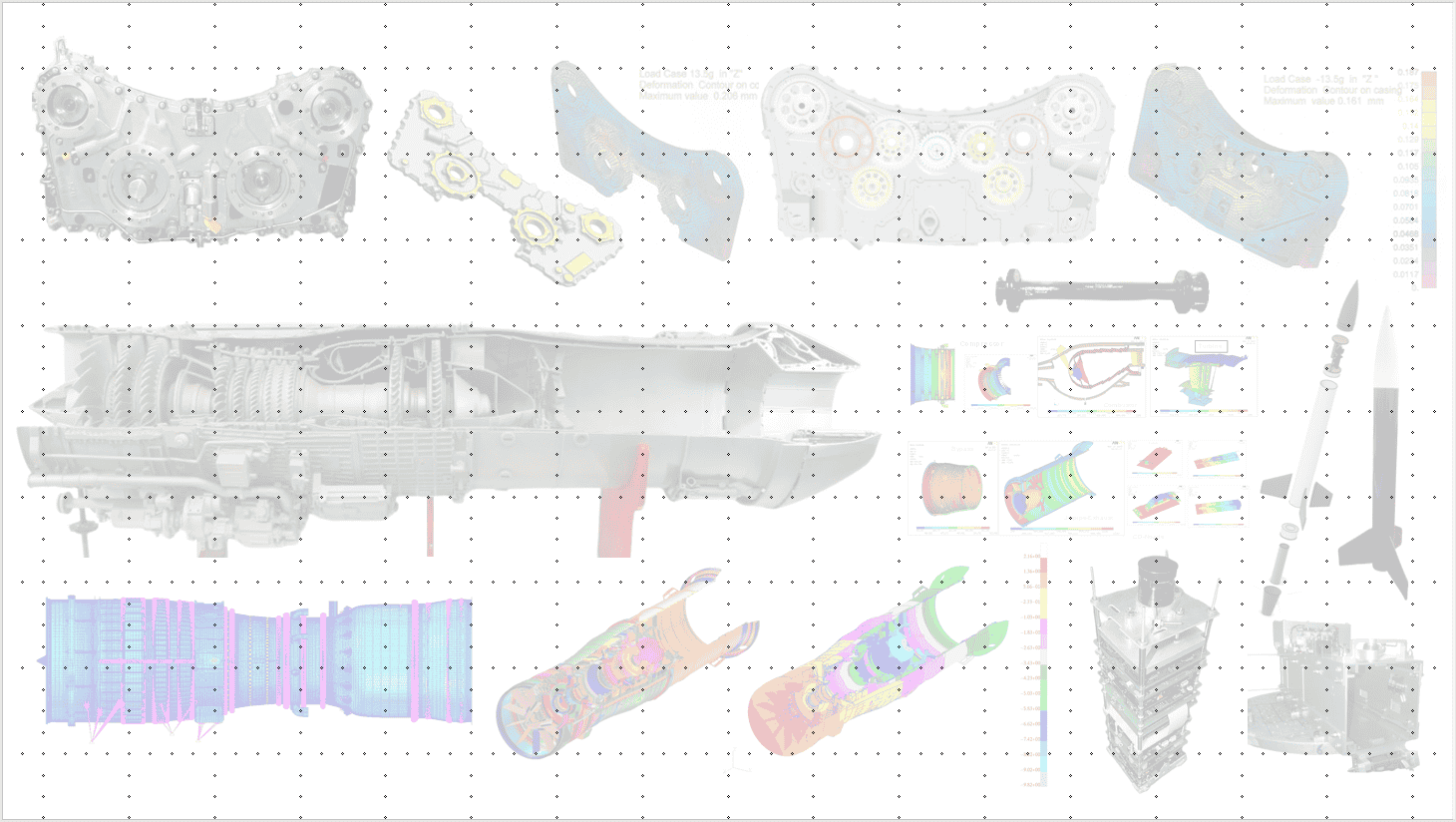
Dr. Prashanth's aviation career started in the late 90s, supporting the initial phases of the Light Combat Aircraft (LCA) programme. He worked for the design validation and weight optimization of Aircraft Mounted Accessory Gear Box (AMAGB), which was the first time designed and developed in the country with technical objectives such as lightweight, compact, high speed, single input, and multi-output gearbox. He also worked for the design validation of the Power Take Off (PTO) shaft, the Secondary Power System (SPS) of LCA Tejas, coupling the engine-mounted accessory gear box with the aircraft-mounted accessory gear box. He facilitated the DRDO's attempt to develop an indigenous powerplant for the LCA by supporting the structural analysis and weight optimization of the aero engine at the component and integrated levels. He supported the life prediction of a gas turbine bladed disc project. He mentored the student teams for the design and development of UAVs.

In space career, he has mentored the student team for the design and development. He was associated in reviews and external examiner. He was with the group for design and development of Indias first nanosatellite.

EXPLORE NOW


In automotive domain

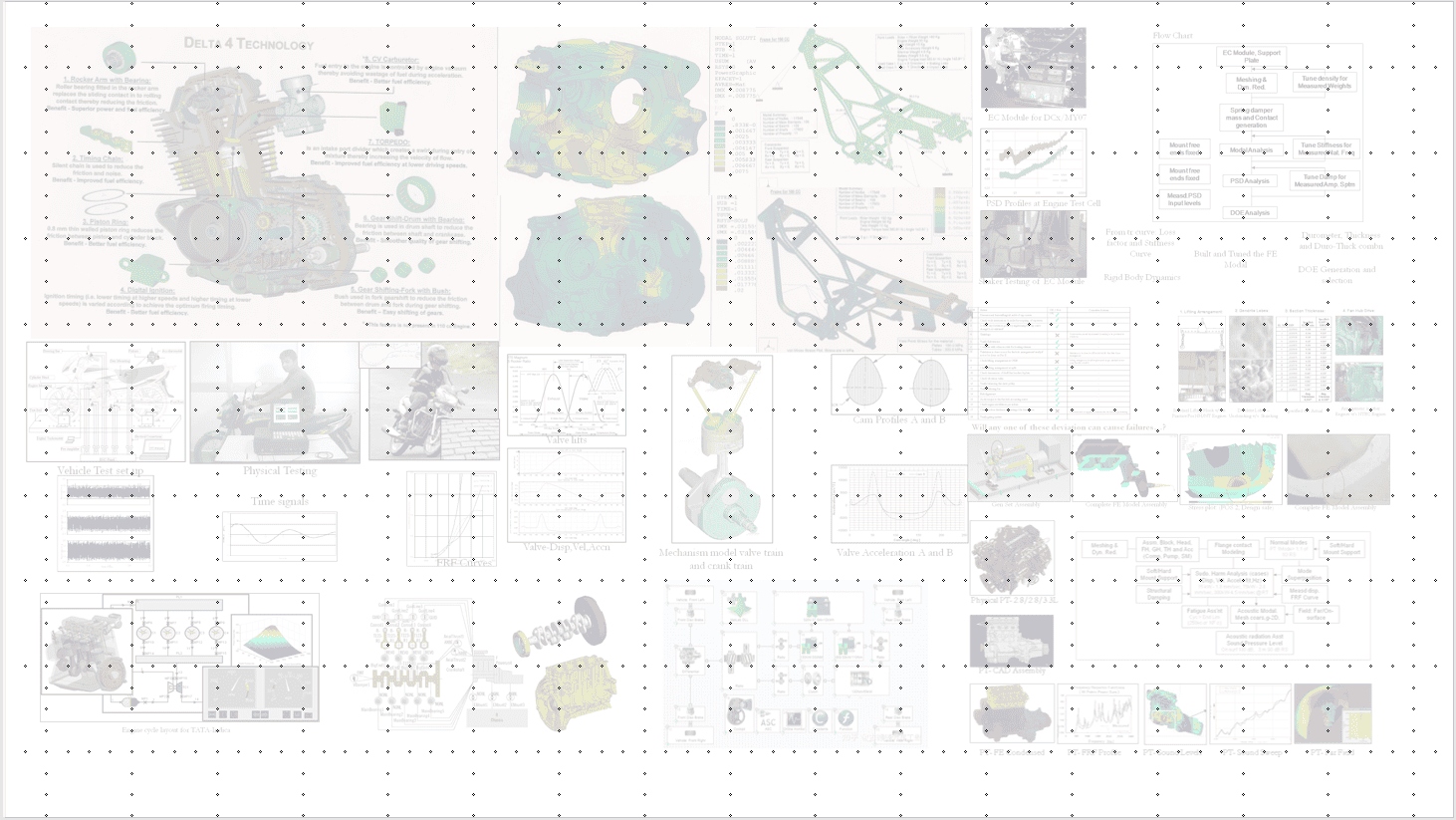
Dr. Prashanth's automotive career started with the design validation of automobile components. In an OEM, he designed and validated the frame/chassis, swing arms, steering wheel/bar, mounting brackets, engine and its components to meet the configuration, parametric, and detailed design requirements. He analysed valve train, crank train, and gear train-shift systems with kinematics and dynamic simulation, and iterated the designs to meet the acceptable limits. As a calculation engineer in the largest consulting company for the development of engine powertrain systems as well as instrumentation and test systems, he performed the engine cycle, powertrain, and driveline simulations for the considerations of fuel consumption, emissions, performance, and drivability. He carried out the valve lifts and cam profile DOE iterations in the test cell. In the largest independent engine manufacturer plant, he conducted the field failure investigations of the engine and rectified the root cause. He analyzed a verity of power-trains mostly for the pick-up trucks and power generation applications to ensuring the design safety, life and reducing the weight of the housings.

He was involved in developing the in-house test cell facility for testing vehicle components. At the research and technology centre of a global power technology leader, he developed a methodology for the selection of suitable isolators to mount the ECUs on the engine by considering the random vibrations. He developed a methodology for assessing passenger discomfort and vehicle performance as a research on NVH. He established a methodology for the diagnosis of crack, wear, and degradation issues, and the prognosis of the remaining health of an engine as a research on IVHM. He supported the National Program on MEMS and Smart Systems by implementing the IVHM application in the automotive domain.

EXPLORE NOW


In heavy engineering domain

Dr. Prashanth's heavy engineering career started with the design validation of aerial work platforms, conveyor bridges, and pedestals for the large-scale industrial and earth mover applications.

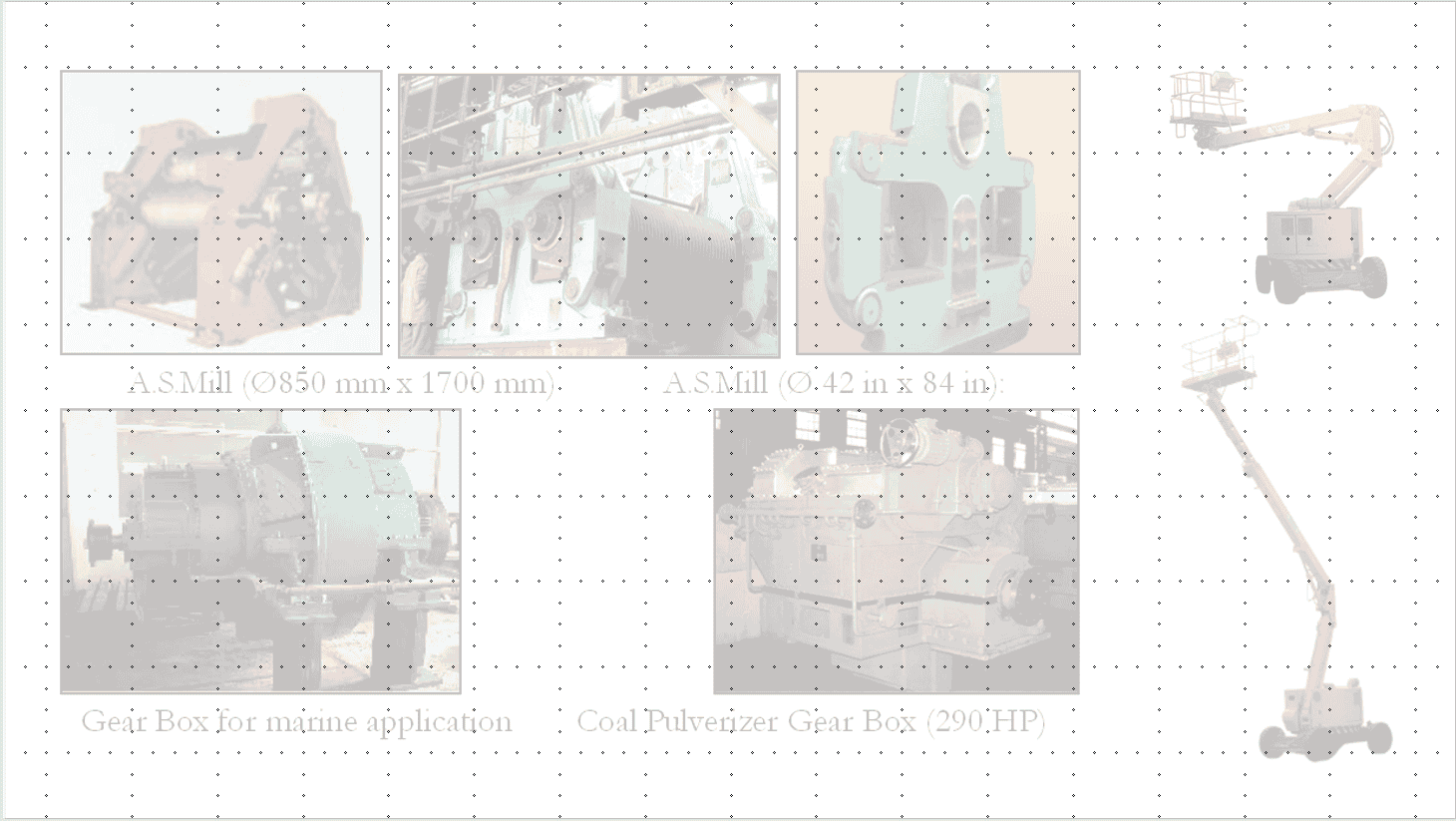
In the the large-scale industrial application services, he provided the design validation solutions to the heavy-duty gearboxes and AS mills with iterated wall thickness and added ribs to ensure safety. The bearing pedestals of the smoke gas kiln string fan were iterated to ensure acceptable stresses and deformations. In earthmoving and construction applications services, the aerial work platform design was verified for safety, stability, and limiting conditions in various Kino-static stages, and was and optimized by iterating the boom thicknesses. The approach bridge conveyor for the coal pulverisers was analysed under the moving loads.

EXPLORE NOW


In autonomous systems domain

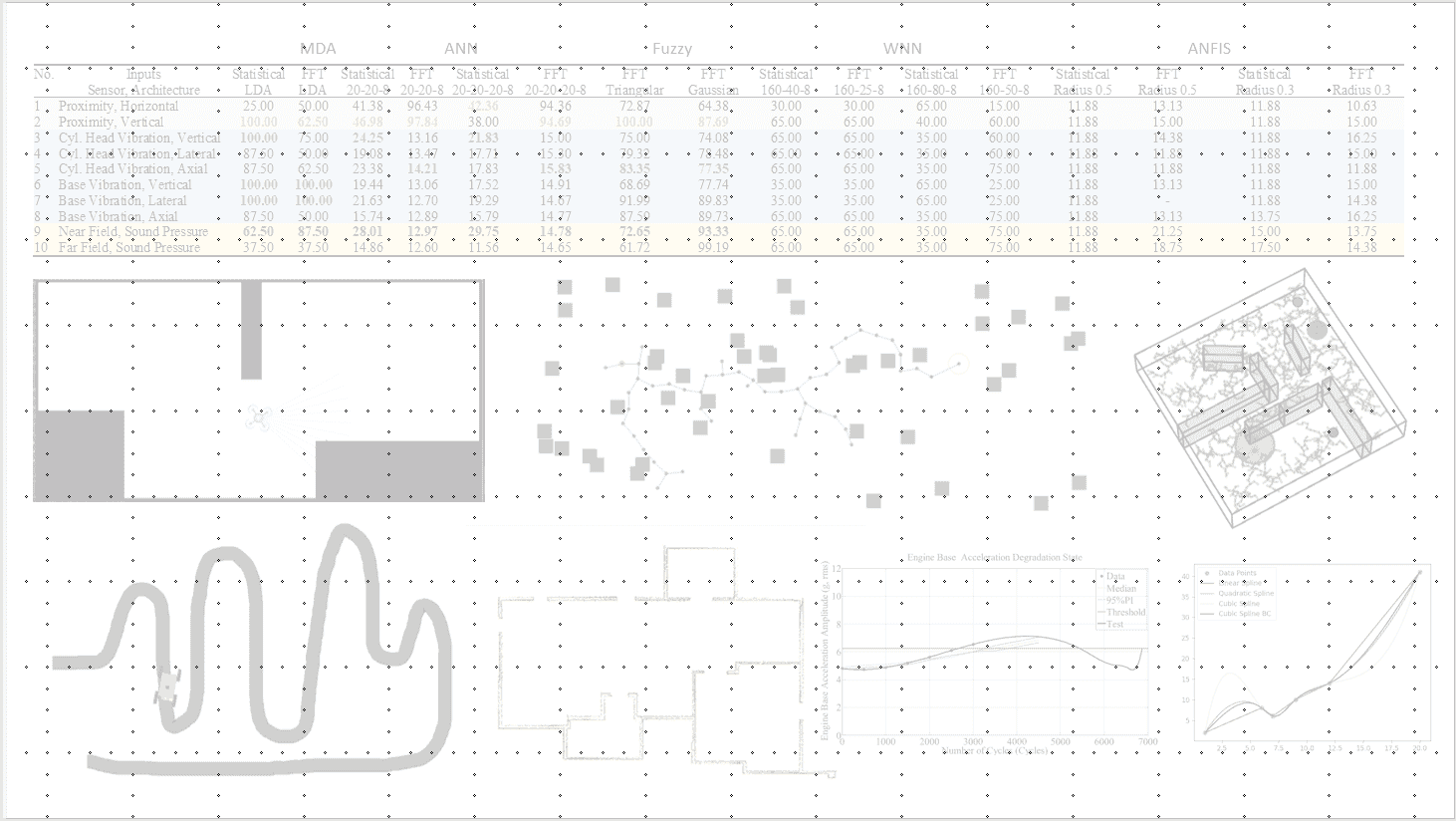
Dr. Prashanth's robotic engineering and autonomous systems career started with his research on developing and deploying sensors, IoTs, and instruments with a variety of physics-based, data-driven, hybrid techniques for vehicle health management and control solutions.

He possesses expertise in a broad range of robotics and control systems technologies, that includes a variety of manipulators, UVs, IoT sensors, actuators and controllers, GNC, and intelligent techniques. His key contribution includes teaching robotics and IoT theory courses and implementing in the student projects by building the robotic systems, and coding for the path planning, obstacle avoidance, trajectory generation, SLAM, in developing the systems as well as enabling the conventional systems to operate, and navigate autonomously.

EXPLORE NOW


In academics domain

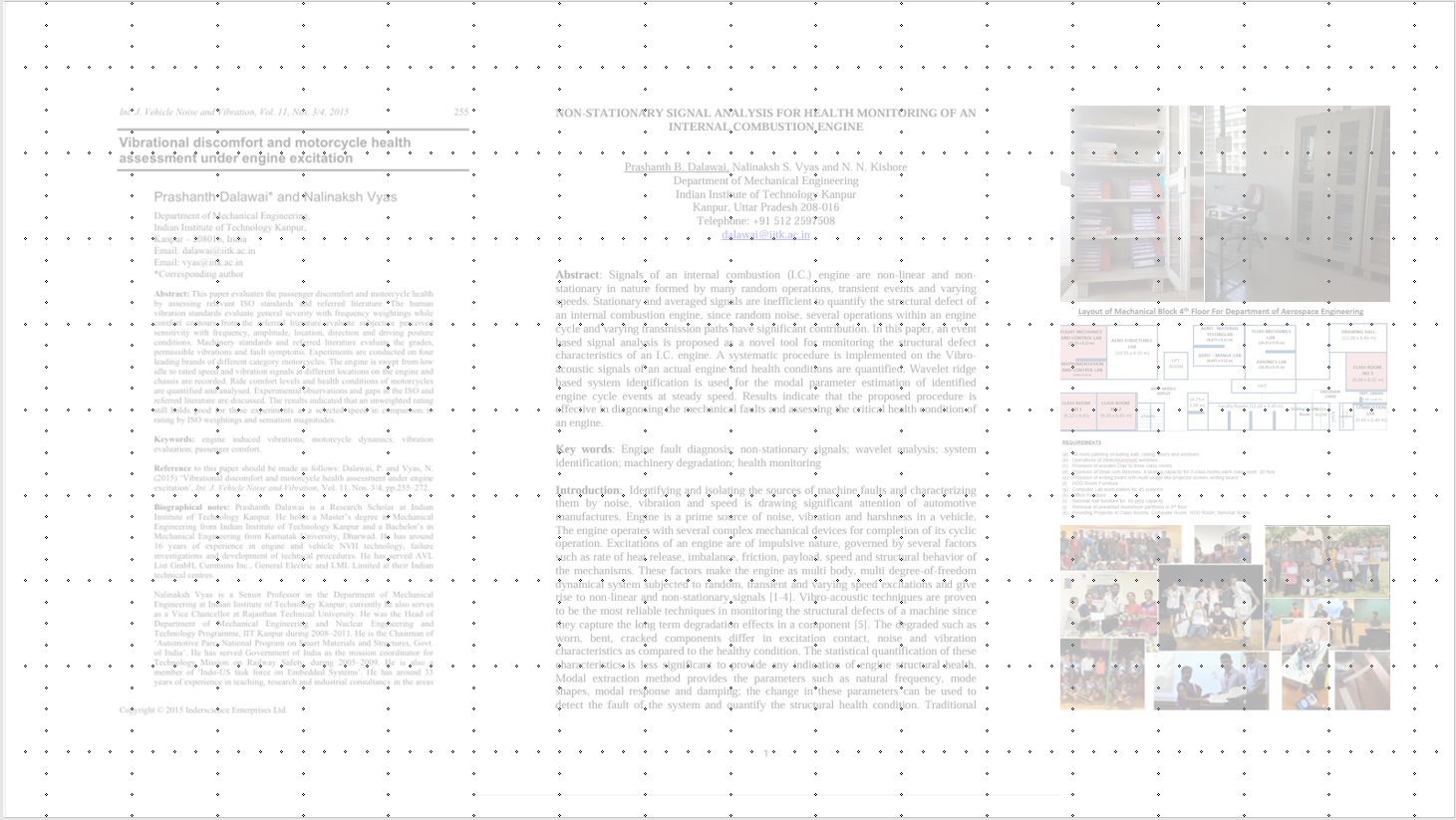
Dr. Prashanth's teaching career started with giving training and upgrading the in-house engineers to align with the industry standards, and coaching the engineers for field failure investigation. As an academician, he taught the Mechanical, Aerospace, and Computer Science students. He taught engineering subjects such as Machine and Mechanisms, Fluid and Solid Mechanics, Engineering Design and Optimization, Robotics, Aerospace Drawing, Aerospace Vehicles and Computational Tools, Fluid Machinery, Machine Design, and CFD courses, project management, and entrepreneurship to undergraduates. He taught the IoT, data mining and optimization engineering courses to the computer science students. He also mentored various projects, as well as evaluated the projects as an external examiner. He has published a few articles as the first author and made single-author publications and talks on emerging technologies in national conferences.

For an expansion of the mechanical engineering department, he estimated and executed the maintenance and restructuring of the existing block and shifted to occupy an additional block. As the founding Head of an aerospace engineering department, he developed and implemented the department from scratch by introducing acceptable layouts, budgets, procedures, industry-demanding curriculum, estimated the laboratories, equipment, and their specifications, developed a few critical laboratories, and supported for the degree completion of first few batches.

EXPLORE NOW